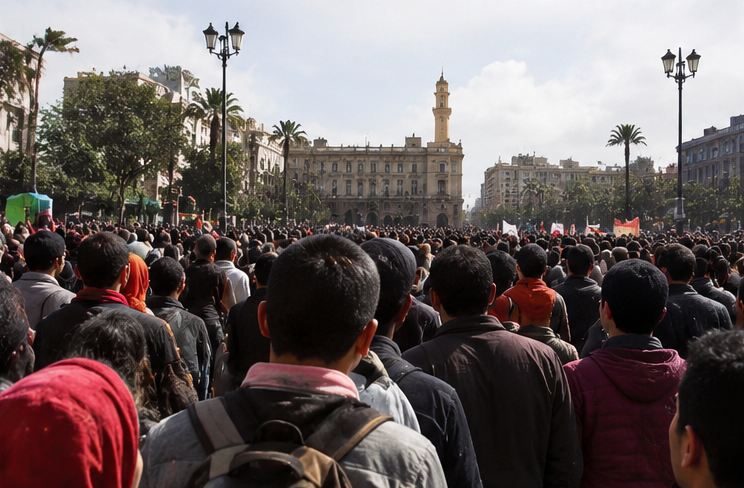
Independent archive editorial overview. Newly prepared historical context; this is not a recovered CyberDissidents.org article or a statement by the former organization.
A longer history than the uprising
The protests that culminated in the fall of President Zine El Abidine Ben Ali are often introduced through social media. The record is older and more complex. Independent writers, journalists and digital communities had already been contesting restrictions on public speech. Their ability to publish abroad, mirror information and draw attention to individual cases shaped a cross-border information environment, but they also faced legal and personal risk.
Reporting and repression
The Committee to Protect Journalists documented the prosecution and imprisonment of journalist and blogger Slim Boukhdhir in 2007–2008, describing broader patterns of pressure against the Tunisian press. Historical profiles such as this are valuable when connected to dated reporting, rather than to unsourced labels about a person’s politics or present-day activities. Even the spelling of a name may vary across Arabic, French and English reporting, so an archive should preserve source variants.
The role of collective networks
Analysts have pointed to the importance of local blogging communities and independent media networks, including Nawaat, in circulating accounts of events. The lesson is not that one platform created a revolution. It is that locally rooted networks could transmit information despite barriers and help make official narratives contestable. Understanding that wider history requires looking beyond headline moments and toward habits of publication developed over years.
Preservation notes
An honest restoration should indicate whether a page is a translation, a secondary report or an original blog post. It should retain links to available contemporary documentation and mark missing footage rather than substitute modern photographs as evidence. These distinctions protect both researchers and the people who appear in the historical record.
Historical sources and further reading
- CPJ on Tunisia and Slim Boukhdhir, 2008
- Al Jazeera: Arab bloggers meeting, 2011
- Christian Science Monitor, 2011
Editorial note: illustrated photographs are modern AI-generated conceptual imagery, not historical documentation of the event or an image of an identified individual.