Independent archive editorial overview. Newly prepared historical context; this is not a recovered CyberDissidents.org article or a statement by the former organization.
Why the phrase became popular
Images of crowds, online messages and rapidly spreading footage made social networks a compelling way to explain events in 2011. The expression “social media revolution” condensed many developments into a familiar technological story. Yet it also risked reducing varied local histories to a few services largely operated outside the countries concerned.
What gets left out
Organizers, independent journalists, workers, lawyers, families and neighborhood networks helped shape events through face-to-face work and long-standing relationships. Writers circulated reports before specific social platforms grew popular, and television, radio, phone calls and word of mouth remained important. Analysts writing at the time emphasized that online networks were tools inside social movements rather than substitutes for those movements.
A better way to tell the story
Instead of asking whether Twitter or Facebook caused an uprising, ask narrower questions: Who could publish? What information crossed national borders? How was a claim checked? What did a network shutdown prevent, and what alternatives remained? These questions produce an account that gives technological change its due without erasing the choices of local participants.
An archive is a collection of perspectives
The original CyberDissidents project drew both praise and criticism. Those responses belong to the archive’s institutional history. A reader should be able to explore source material and interpret the project’s emphasis, partnerships and blind spots for themselves. An independent restoration gains credibility by showing the record rather than trying to reproduce a former organization’s authority.
Historical sources and further reading
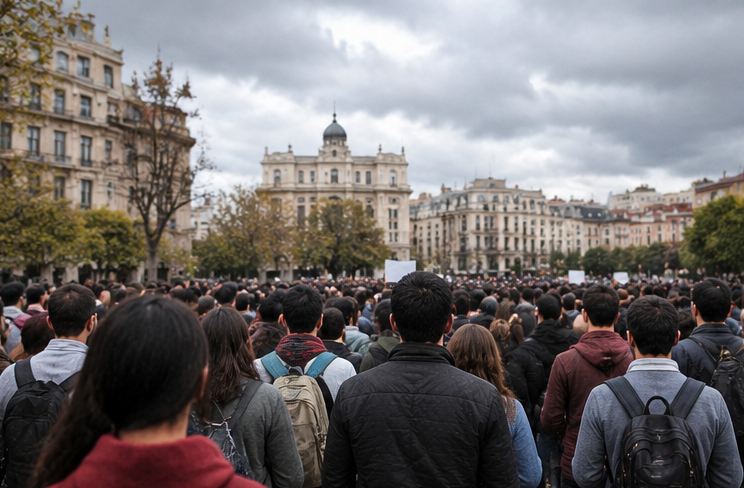
Editorial note: illustrated photographs are modern AI-generated conceptual imagery, not historical documentation of the event or an image of an identified individual.